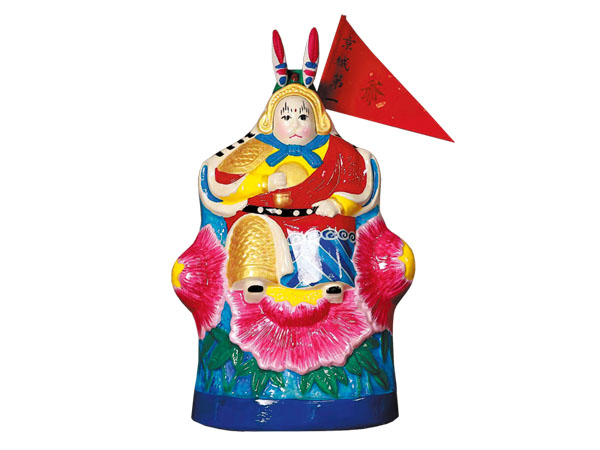
Beijing Tu'er Ye
Introduction
Beijing Tu'er Ye, also known as the Rabbit God or Lord Rabbit, is a significant cultural artifact deeply rooted in Chinese folklore, particularly associated with Beijing. This unique figure blends traditional artistic craftsmanship with rich mythological narratives, symbolizing happiness, good luck, and health. Typically depicted with a human body and rabbit ears, Tu'er Ye is adorned in vibrant attires, reflecting its historical evolution and cultural importance. The deity is especially linked to the Mid-Autumn Festival and has become a cherished symbol of Beijing's intangible cultural heritage.
Historical Background
The rabbit's imagery was often associated with auspicious symbols of happiness and longevity, evidenced in ancient relics like jade rabbit depictions from the Han Dynasty (206 BC-AD 220).
The origins of Tu'er Ye trace back to the Ming Dynasty (1368-1644), with some historians suggesting its roots may extend to the Yuan Dynasty (1271-1368) based on stylistic elements such as fox tails indicative of nomadic nobility attire. Tu'er Ye, as it’s lovingly known, has been a longstanding symbol associated with the Mid-Autumn Festival and believed to have been a deity responsible for health and medicine. The narrative describes the Moon Goddess Chang'e sending the rabbit to Earth to cure a plague, which led to the rabbit donning various attires from the temple, explaining its diverse dressing styles.
In the Qing Dynasty (1644-1911), the tradition of Tu'er Ye flourished, becoming a popular clay toy for children during traditional festivals.
Cultural Significance
Tu'er Ye holds a special place in Beijing culture as a folk art representing the capital's heritage. Traditionally sold before the Mid-Autumn Festival, it has also become a symbol during the Spring Festival. The figurines are highly sought after at temple fairs, bridging traditional crafts with contemporary cultural practices. Beyond its festival associations, Tu'er Ye is revered as a deity of health and medicine. Legends depict it wearing a golden helmet and armor, wielding a pestle to grind medicinal ingredients, embodying the community's historical reliance on divine intervention for health.
Artistic Representation
Characteristics and Design
Tu'er Ye is characterized by its human body with rabbit ears and mouth, often depicted in warrior-like attire with banners on its back. The design varies, with some versions featuring intricate facial paintings and others maintaining a simpler aesthetic. The figurines are typically colorful, using traditional hues like red, yellow, and blue, which are believed to bring good fortune. The iconic image includes a pestle, symbolizing its medicinal role, and sometimes a steed like a tiger or deer, but never a dragon, which is reserved for imperial symbolism.
Materials and Craftsmanship
The creation of Tu'er Ye involves meticulous craftsmanship, starting with clay sourced from suburban areas like Mentougou. The process includes molding, polishing, and painting, with the final color application being the most critical step, as it defines the figurine's expression and character. Modern adaptations sometimes use materials like resin for lighter, more durable creations. Craftsmen like Shuang Yan emphasize preserving traditional techniques while incorporating contemporary elements, such as Olympic-themed designs, to appeal to younger generations.








